
Your drainage system plays a quiet but critical role in protecting your home from water damage. When it begins to fail, the warning signs often show up slowly—small leaks, peeling paint, or soil erosion around the foundation. Ignoring these early indicators can lead to costly repairs over time. Knowing when it’s time to replace your system, and when upgrading makes sense, helps you protect your investment and maintain your home’s value.
Below are seven clear signs that replacement may be the smarter option.
1. Persistent Leaks or Dripping Seams
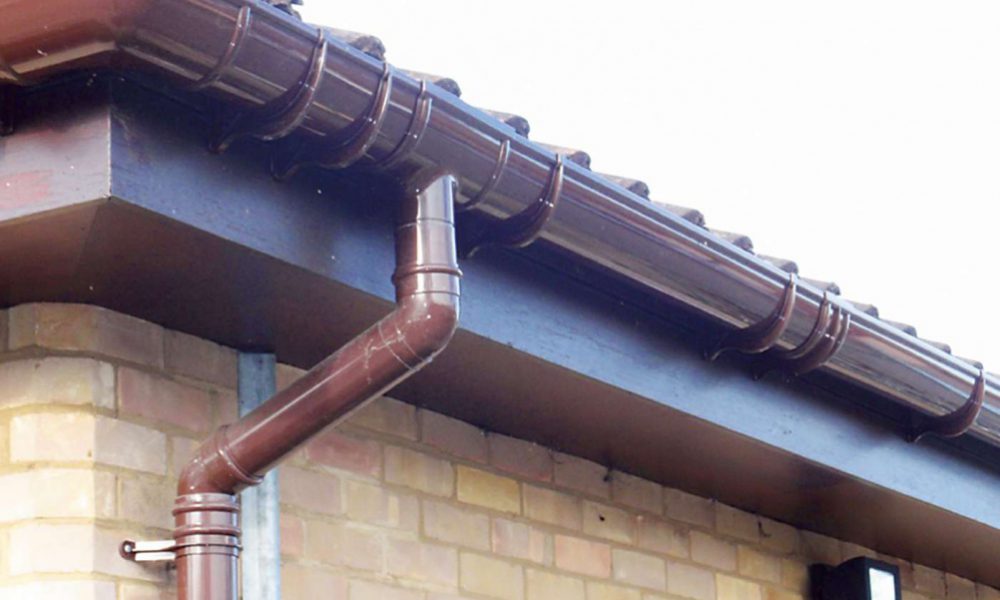
Occasional leaks can sometimes be repaired, but repeated dripping at connection points usually indicates deeper wear. Sealants degrade over time, especially in climates with temperature swings. When multiple joints begin to fail, patching becomes a temporary fix rather than a long-term solution. Upgrading to rain gutters seamless designs reduces the number of joints, minimizing future leak risks.
2. Sagging or Pulling Away from the Roofline
If sections appear uneven or detached from the fascia, the system may no longer be able to support its own weight. This often occurs when fasteners loosen or when debris buildup adds extra strain. Sagging channels prevent proper drainage and increase the likelihood of overflow during storms.
Structural instability is a strong signal that replacement—not repair—may be necessary.
3. Water Pooling Near the Foundation
Standing water near your home’s base can weaken the foundation and encourage basement moisture issues. This usually indicates improper slope, blocked downspouts, or system failure. Even minor pooling can gradually erode soil and compromise structural stability.
Redirecting water efficiently is essential for long-term protection.
4. Visible Rust, Cracks, or Holes
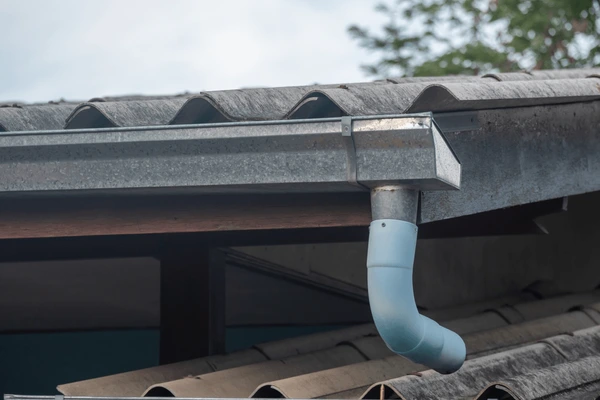
Metal corrosion and cracking are signs that materials have reached the end of their useful life. Small holes may expand quickly under pressure from heavy rainfall or ice buildup. Once corrosion becomes widespread, replacing the system is typically more cost-effective than repeated patchwork repairs.
5. Frequent Clogs and Overflow
If your system clogs regularly despite routine cleaning, internal damage or poor design may be restricting water flow. Overflow can damage siding, stain exterior walls, and wash away landscaping. Accessories such as rain guard gutters can help prevent debris buildup, but if the base system is worn or undersized, replacement may still be the better option.
6. Peeling Paint or Water Stains on Exterior Surfaces
Water streaks, peeling paint, or mildew around trim and siding indicate overflow or leakage. Over time, this moisture can lead to rot, mold growth, and structural deterioration. These cosmetic issues often point to a functional problem that needs attention sooner rather than later.
7. Aging System with Repeated Repairs
If your system is more than 15–20 years old and requires frequent maintenance, replacement becomes a smarter investment. Older sectional designs are especially prone to joint failure and alignment issues. Modern alternatives provide better durability, smoother flow, and improved appearance.
When Seamless Becomes the Best Upgrade
While some homeowners may consider replacing damaged sections only, many choose to upgrade entirely for long-term reliability. Continuous systems are custom-formed to fit the exact dimensions of your home, resulting in fewer joints and reduced leak potential. The streamlined appearance also enhances curb appeal and complements modern architectural styles.
You may encounter the phrase rain gutters seamless during online research. This typically refers to systems designed to minimize connection points and improve overall performance. For homeowners seeking lower maintenance and stronger protection, this upgrade often delivers meaningful value.
Choosing the Right Professional Installer
Proper installation directly impacts performance and longevity. When searching online for rain gutters near me, look for contractors with local experience, verified reviews, and clear warranty coverage. A knowledgeable professional will evaluate roof slope, drainage needs, and environmental factors before recommending materials and configurations.
Asking about maintenance guidance and optional protective accessories can also help you maximize long-term performance.
Frequently Asked Questions
Can small leaks always be repaired?
Temporary repairs may help briefly, but recurring leaks often signal underlying system failure.
How long does replacement typically take?
Most residential projects can be completed within a single day, depending on size and complexity.
Are protective guards worth adding?
In areas with heavy foliage, they can significantly reduce debris buildup and maintenance frequency.
Will upgrading improve resale value?
A well-maintained exterior and reduced maintenance needs can make a home more attractive to buyers.
Recognizing the early warning signs of system failure allows you to address issues before they escalate into costly repairs. Whether your goal is improved reliability, reduced maintenance, or enhanced appearance, upgrading at the right time protects both your home and your peace of mind.