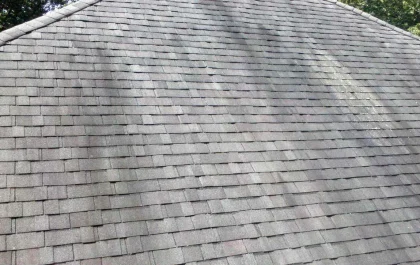
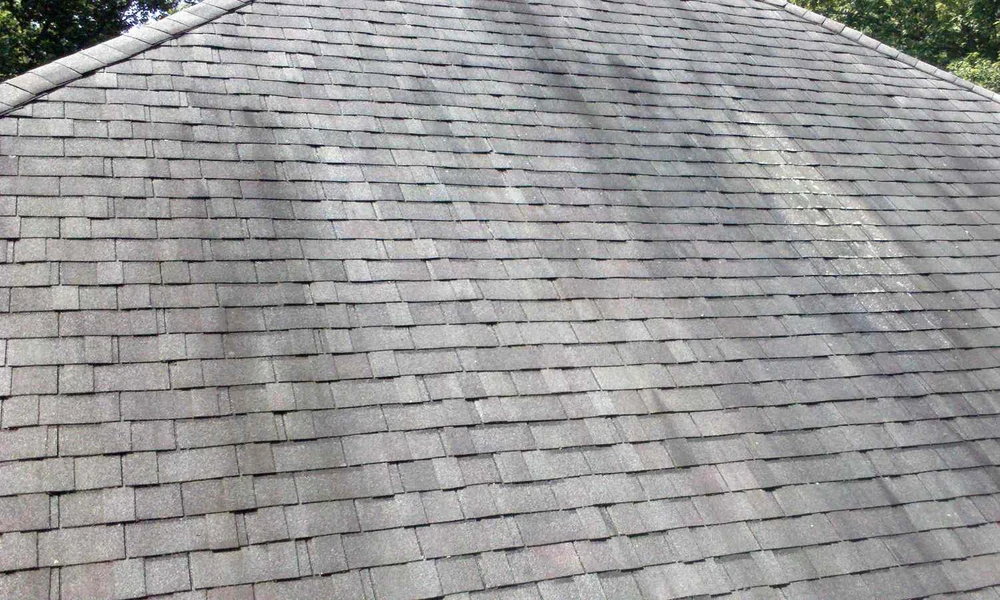

Drive through almost any subdivision south of Atlanta in late summer and you’ll see it. Roofs that were put on in clean gray or weathered wood tones a few years back now have long black stripes running from the ridge down to the gutters. They’re usually worse on one side of the house than the other. Most people put it down to dirt, soot or plain age, but it’s none of those. It’s a colony of living cells that blew in on the wind, settled between the granules and has been feeding on the shingles ever since.
Homeowners in Morrow, Jonesboro, Stockbridge and the rest of the Southside who want a trained eye on that growth can book a free inspection with ExP Roofing LLC. It’s a GAF certified contractor that has handled residential and commercial roofs across metro Atlanta since 2015. A good inspection treats staining as one clue among many. Sometimes a streak is only a streak. Sometimes it means moisture is sitting where it shouldn’t.
Meet the Tenant Living on Your Shingles
The black streaks come mostly from Gloeocapsa magma, a type of cyanobacteria often called blue-green algae. Its spores travel through the air and land on roof after roof down a street. That’s why a stained house often has stained neighbors.
Once it lands, the organism needs two things. The first is moisture, and morning dew, summer humidity and slow-drying shade give it plenty. The second is food. Many asphalt shingles contain limestone filler, and the algae feeds on that calcium carbonate. As the colony grows, it makes a dark outer coating that shields it from strong sunlight. That coating is the black color you see from the curb.
The streaky pattern comes from water. Rain carries cells down the slope along the same paths every time, so the colonies spread in vertical lines and not in neat patches.
Why Southern Roofs Make Such an Easy Home
The Asphalt Roofing Manufacturers Association says algae discoloration is most widespread in the Gulf States and along the Eastern Seaboard. Georgia sits right between the two. Warm nights, high humidity and a long growing season give the colonies months of good conditions every year.
Trees add to it. Tall pines, oaks and sweetgums shade big parts of the roof, and the roof stays damp long after the sun hits the street. Pine straw and leaves collect in valleys and behind chimneys, where they trap moisture against the shingles. North-facing slopes get the least direct sun, so they usually look the worst.
Shingle color matters too, though only for how it looks. Light gray, white and tan roofs show every streak. Darker roofs grow the same algae but hide it better.
Not Every Mark Is the Same Visitor
Before you clean anything, it helps to know what you’re looking at, because each type of growth behaves differently.
Black streaks are almost always the algae described above. They’re flat, they don’t stick up from the surface, and they follow the water runoff.
Green, fuzzy cushions are moss. Moss is more of a problem because it has bulk. It grows into the gaps between shingle tabs and holds water like a sponge.
Crusty gray-green circles are lichen, a partnership between a fungus and an alga. Lichen grips the granules tightly. Even after it dies, it can leave pale ghost marks that last for years.
Reddish or orange trails under vents, flashing or satellite mounts usually come from rust running off metal. They have nothing to do with biology.
Dark, smooth bald spots need the most attention. They’re often places where the granules have worn away and bare asphalt shows through. That’s real wear, not a stain, and it calls for a closer look from a roofer.
The Real Cost Behind a Cosmetic Problem
On its own, algae is mainly an appearance issue. But it holds moisture against the shingles, and over many seasons that can speed up their aging. On reflective or cool-rated shingles, a dark coating also cuts how much sunlight the roof bounces back, so the attic runs hotter through a Georgia summer.
Moss and lichen do more harm. Moss can lift shingle edges, which breaks the sealant strip that keeps shingles flat in high wind. Water then wicks underneath, and the next strong storm has an easy edge to grab. Lichen works more slowly, but it can loosen granules wherever it attaches.
There are practical costs too. Streaked roofs get noted on home inspection reports when a house is sold. Many Atlanta-area homeowners associations send letters about visible roof staining. Some insurers also comment on visible growth when they do exterior reviews.
Cleaning Without Ruining the Shingles
The method recommended by the shingle industry is gentler than most people expect. The Asphalt Roofing Manufacturers Association’s guidance on algae and moss cleaning calls for equal parts laundry-strength liquid chlorine bleach and water. You spray it on, let it sit for about 15 to 20 minutes, then rinse thoroughly at low pressure. The algae usually lightens quickly, and later rains wash away the rest. Moss often takes longer. It dies, dries out and comes loose over the following weeks.
The mistakes that turn a simple cleaning into roof damage are common and easy to avoid:
- Using a pressure washer, which blasts off the protective granules and can shorten the roof’s life by years
- Scrubbing with stiff brushes, which does the same damage more slowly
- Letting the solution dry in hot afternoon sun before rinsing, which makes it hard to rinse off completely
- Forgetting the plants below, which need soaking with plain water before and after
- Walking on a wet, treated roof without fall protection, since the surface turns very slippery
Because of that last risk, many homeowners hire a soft-wash crew or a roofer instead of climbing up themselves. That’s especially sensible on two-story homes and steep pitches.
Keeping the Streaks From Coming Back
Cleaning gets rid of the colony you have now. It doesn’t stop new spores from landing. Prevention comes down to less moisture and less food.
Cutting back overhanging limbs lets sunlight dry the roof faster and drops less debris into the valleys. Clean gutters and clear valleys help the same way, because water runs off without pooling.
Metal also works against algae. On older roofs you can sometimes see clean strips directly below copper or galvanized flashing, while the rest of the slope is dark. Rain carries small amounts of metal down the roof, and the algae won’t grow where it lands. Zinc or copper strips near the ridge use the same idea. The industry advises adding them when a roof is replaced. Retrofitting them means exposed nails or breaking shingle seals, and both can cause leaks or wind damage.
If you’re already planning a new roof, algae-resistant shingles do this work from day one. They have copper-treated granules mixed into the surface. GAF’s StainGuard Plus line comes with a 25-year limited warranty against blue-green algae discoloration. Its Timberline UHDZ shingles carry a 30-year version. Metal roofing resists algae on its own, which is one more reason it’s catching on in humid parts of the South.
Let the Streaks Tell You Where to Look
Treat the stains as a map. Heavy growth in one valley often points to a debris dam that has been holding back water. Moss along a single eave can mean the gutter behind it overflows every time it rains. Streaks that suddenly get darker on a ten-year-old roof sometimes line up with granule loss, which makes it easier for the algae to hold on.
Age matters too. If the shingles are close to the end of their expected life, paying for repeated cleanings may cost more over time than putting on a new roof with algae-resistant granules. On a younger roof in good shape, one careful cleaning and a pair of loppers for the nearest branches can keep the surface clean for years. Either way, the black lines are worth reading closely before they spread across the rest of the slope.
Dark Streaks on Your Roof Are Alive