
Surface problems often arise when water moves into untreated structures, so people look for reliable ways to reduce gradual harm. A clear approach uses protective layers that limit absorption and keep surfaces steady. This supports long-term performance when applied with care. Many choose trusted options, such as concrete coatings newcastle, to improve overall resistance. Proper application allows the surface to stay firm through changing conditions. Each layer forms a barrier that blocks seepage and slows wear. This creates stronger surroundings that remain stable through daily use. Good planning helps maintain steady strength for extended periods.
Understanding moisture barriers
Well-placed barriers slow water travel inside solid structures. These coatings keep inner areas firm and help surfaces stay steady under shifting surroundings. When excess water remains outside, the entire base stays durable through long use without early weakness forming inside.
Importance of sealing surfaces
Sealing reduces the amount of water passing through tiny openings. With less movement inside, the surface keeps its shape for long periods. Preventing excessive saturation helps limit early damage and supports stable use under constant environmental pressure.
Types of sealing products
Different coatings provide varied protection. Some form thin layers on top while others move deeper into the material. These variations allow users to choose products that match their structural needs and boost overall resistance to prolonged moisture exposure.
How moisture moves through concrete
Water moves through small gaps formed during curing. Once inside, it can weaken the internal bond. Sealing these gaps helps reduce internal stress and slows the weakening process. Blocking these pathways increases long-term stability.
Why surfaces degrade over time
Surfaces slowly change due to water moving in and out. This repeated cycle lowers strength. Using protective layers reduces these shifts, helping surfaces remain firm for extended periods without heavy deterioration caused by prolonged dampness.
Role of pore blocking
Reducing pore access keeps the surface stronger. Smaller openings hold less water, so the structure stays uniform. Less variation inside helps prevent cracks during regular use. This creates a steady base that resists ongoing stress.
Proper application steps
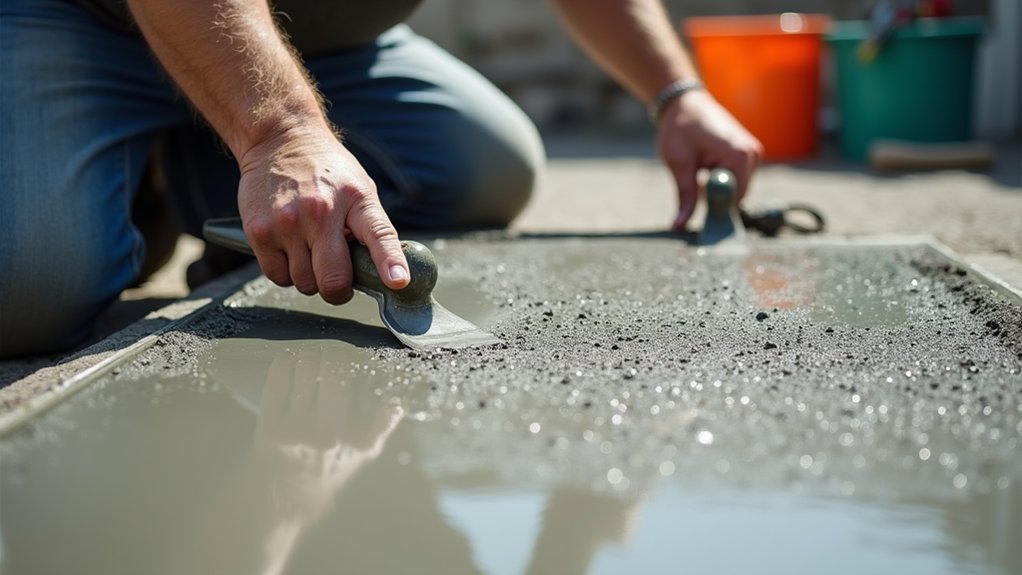
Applying coats evenly helps maintain strong barriers. Each coat needs a proper curing time to ensure complete bonding. Taking time during each stage helps reduce gaps and keeps the sealed surface solid. This improves long-term resistance.
Key benefits for long-term care
Strong barriers support steady surfaces.
- Reduced saturation maintains inner strength and limits wear caused by repeated contact with moisture.
- Better stability promotes long use and reduces decline from varied environmental conditions across seasons.
- Firmer bonding helps the structure stay solid without early deterioration from water exposure over time.
- Controlled absorption leads to improved durability, which supports consistent performance in daily situations.
- Added resistance helps keep the surface uniform and reduces the need for frequent repair work.
A reliable sealing approach supports strong surfaces by keeping moisture away from internal areas and preserving stability. Consistent care plus structured renewal enhances protection and maintains dependable strength. Using solutions such as concrete coatings newcastle encourages long-term preservation for structures that benefit from steady moisture control.