
Perth summers are long, dry and bright. Days in the high 30s are common, and the sun beats down on outdoor surfaces for hours at a time. If you are paving a courtyard, pool area, driveway or alfresco, that heat should shape every choice you make. The wrong paver can become too hot to walk on, fade within a few seasons or crack as it expands and contracts.
The good news is that with a little planning you can create an outdoor area that stays comfortable underfoot and looks good for decades. Here is what to think about before you choose.
Why heat matters so much for paving
Every paving material absorbs some of the sun’s energy. How much it absorbs, and how quickly it releases that heat, decides how hot the surface feels on a summer afternoon. This matters most in areas where people walk barefoot, such as pool surrounds, but it also affects how comfortable your whole outdoor living space feels.
Heat also affects durability. Materials expand as they warm and contract as they cool. Over thousands of hot days and cool nights, poor-quality pavers or poorly laid paving can crack, lift or shift. Ultraviolet light adds to the wear by breaking down colour pigments and some sealers.
Colour makes a big difference
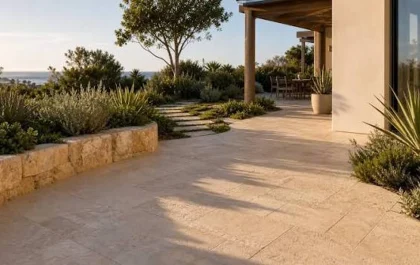
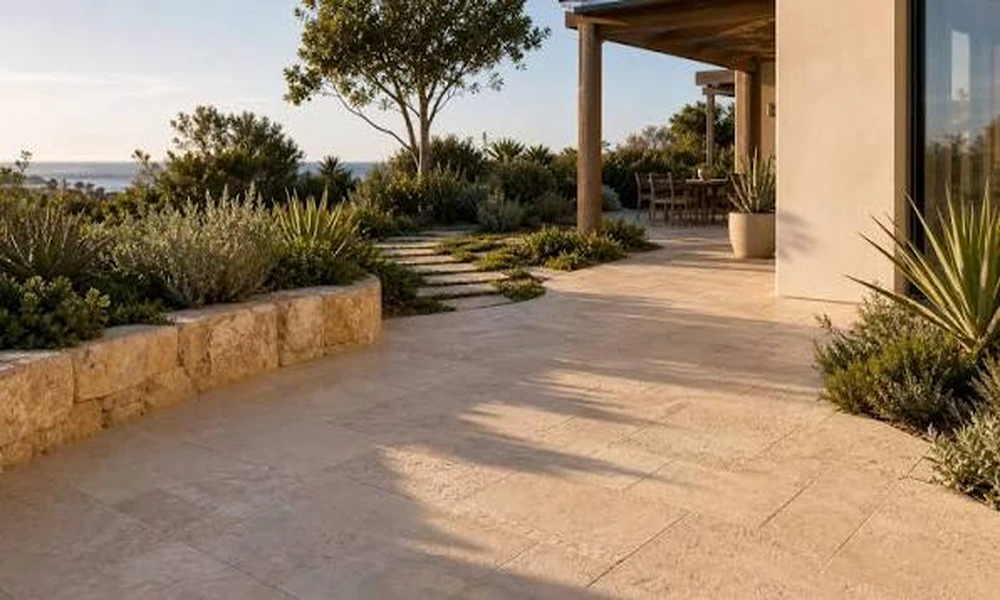
The single easiest way to keep pavers cooler is to choose lighter colours. Light shades such as cream, sandstone, ivory and pale grey reflect more sunlight, while dark charcoal or black surfaces absorb it.
Dark pavers can look striking, but in full sun they can become uncomfortable to stand on during summer. If you love a darker look, consider using it in shaded areas, under a patio roof or as a border, and keep the main open areas lighter.
Lighter colours also have a practical advantage in Perth. They tend to hide dust, sand and the fine red dirt that blows across many suburbs better than very dark surfaces.
Comparing the main paving materials
Each material behaves a little differently in the heat. Here is a quick overview.
Limestone is a classic Perth choice. It is naturally light in colour, stays relatively cool and suits the coastal look many homes go for. It is porous, so sealing helps it resist staining.
Travertine is a natural stone popular around pools. It tends to feel comfortable underfoot, and tumbled finishes add grip when the surface is wet.
Granite is extremely hard wearing and resists scratches and fading. Lighter granites stay cooler than darker ones, so colour choice is important.
Concrete pavers are versatile and come in a huge range of colours, sizes and finishes. Quality varies a lot, so look for pavers with colour that runs right through, rather than just a surface coating that can wear away.
Clay pavers hold their colour well because the colour is fired into the clay. They are durable, though many traditional clay colours are on the darker side.
Whatever material you lean towards, it pays to compare samples side by side in the actual spot where they will be laid. A paver that looks perfect in a showroom can look very different in full Perth sun.
Think about texture and slip resistance
Smooth, polished surfaces look elegant but can become slippery when wet, which is a real concern around pools, outdoor showers and areas that get reticulation overspray. Textured finishes such as tumbled, sandblasted or honed surfaces offer more grip.
Texture also affects how a surface feels underfoot in the heat. A slightly textured paver can feel more comfortable than a glassy one, and it is less likely to show glare on bright days.
Fading and UV resistance
Perth gets plenty of sunshine, so colour stability is a big deal. Natural stone generally holds its colour very well because the colour is part of the stone itself. With manufactured pavers, look for products where the pigment is mixed throughout, not just applied on top.
Sealing can help protect against stains and make cleaning easier, but choose a sealer designed for outdoor use in high UV conditions. Cheap sealers can yellow, peel or become slippery over time.
Laying matters as much as the paver
Even the best paver will fail if it is laid poorly. For hot climates, good installation includes:
- A properly compacted base so pavers do not sink or move
- Correct gaps and jointing material to allow for expansion
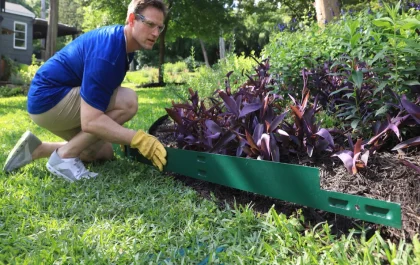
- Edge restraints that hold the paving in place
- Falls that direct water away from the house and into drainage
- Allowance for sand movement, which is common on Perth’s sandy soils
Getting the base right is especially important on sandy blocks, where poor compaction can lead to dips and uneven sections over time.
Planning for shade and comfort
Pavers are only part of the picture. You can make any paved area more comfortable by:
- Adding shade with a pergola, patio, shade sail or trees
- Using lighter pavers in sunny spots and saving darker accents for shaded areas
- Breaking up large expanses of paving with garden beds or lawn
- Positioning outdoor seating where it gets afternoon shade
A thoughtful layout keeps the space usable through summer and stops heat building up against your home’s walls and windows.
Getting expert advice
Choosing paving for a Perth home is a balance of looks, comfort, budget and durability. Talking to a local supplier who understands the climate can save you from expensive mistakes. If you are comparing options, browsing a specialist range of Pavers Perth homeowners use is a good way to see colours, finishes and sizes in person before you commit.
Ask to see samples outside, ask how each product performs around pools and in full sun, and find out what maintenance it needs.
The bottom line
The best pavers for Perth’s summer heat are light in colour, textured enough to grip, made to resist fading and laid on a solid base with room to move. Get those basics right, and your outdoor area will stay comfortable, safe and good looking through many long summers to come.
Choosing Pavers That Handle Perth's Summer Heat