

Most homeowners do not struggle with landscaping because they lack ideas. They struggle because the ideas arrive all at once: a patio, new trees, a fire pit, a garden, a fresh lawn and a lighting plan, with one budget and one short growing season to fit it all into. The result is often a rushed project that covers everything thinly or a stalled plan that never starts. If you want help sequencing the work, a local Blaine landscaping company can look at your lot and help you decide what deserves attention first. In the meantime, this guide gives you a framework for ranking your priorities and spreading the work over time without wasting money.
The Golden Rule of Phasing
Build from the ground up and from the structure outward. Anything that involves moving soil, changing grade or installing underground systems should happen before anything delicate goes in. Plants and decor are the last layer, not the first. If you plant a perennial bed and then trench through it for drainage or irrigation a year later, you pay twice.
Priority One: Water and Soil
It is not glamorous, but it protects every other investment you make. Standing water, erosion and compacted or depleted soil will sabotage even the best design.
Ask yourself these questions on a rainy day or right after a heavy thaw:
- Where does water flow, and where does it collect?
- Does any runoff move toward the foundation, garage or window wells?
- Is the soil in the lawn hard, thin or full of weeds?
- Are there bare patches that wash out every spring?
North metro yards often include sandy, fast draining soils in some spots and heavier, wetter ground in others, sometimes within the same lot. Sandy areas dry out quickly and need organic matter to hold moisture and nutrients, while wet areas may need regrading or a planted solution such as a rain garden. A simple soil test will tell you what you are working with before you spend money on plants that may not thrive. The University of Minnesota Extension offers helpful guidance for yard and garden care that covers soil testing, plant selection and seasonal care for Minnesota conditions.
Priority Two: The Bones of the Yard
Once water behaves, turn to the permanent features that shape how you use the space. These are the expensive, hard to change items, so they deserve careful thought.
Hardscape. Patios, walkways, retaining walls and driveways aprons need a properly compacted base to survive freeze and thaw cycles. A cheap base is the most common reason pavers heave and sink. Spend on the part nobody sees.
Major trees. Trees take years to mature, so planting them early gives you shade and structure sooner. Place them with the future in mind: canopy width, root spread, distance from the house and overhead lines.
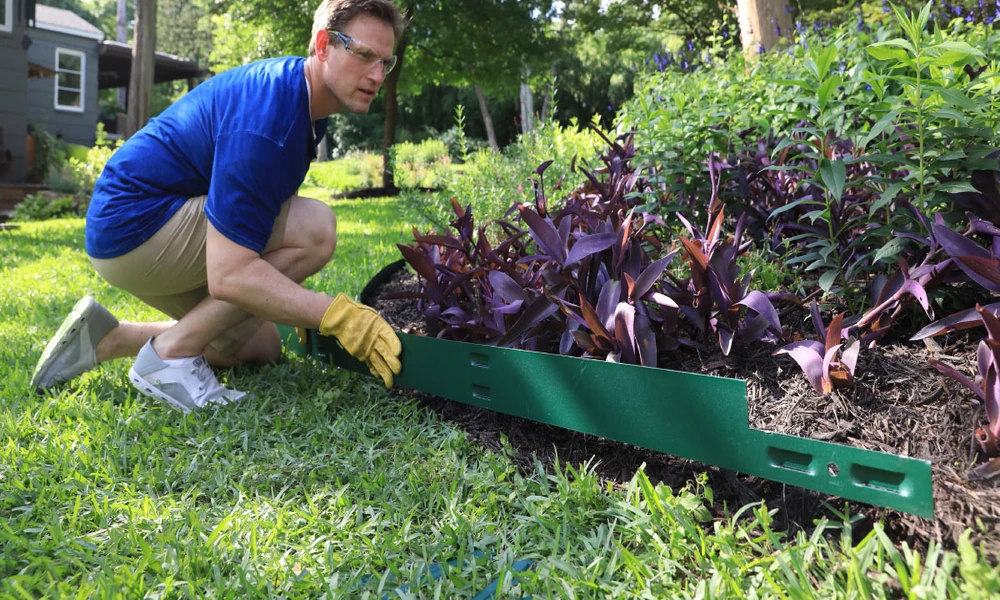
Edging and borders. Clean, defined edges between lawn and beds make a yard look intentional even when the plantings are still young.
Priority Three: The Lawn
A healthy lawn is often the largest visual element of a property, so it earns its own phase. If your turf is more than half weeds or bare soil, renovating it may be better than endlessly patching it. Overseeding, core aeration and a fertilizing schedule that fits Minnesota’s cool season grasses can revive a tired lawn at a fraction of the cost of sod.
Timing matters here. Late summer to early fall is typically the best window for seeding cool season grasses because soil is warm, nights are cooler and weeds are less aggressive. Spring seeding can work, but it competes with crabgrass and demands more watering.
Priority Four: Plant Beds and Color
With the structure in place, plantings go in and the yard starts to feel finished. Build beds in layers:
- Backbone shrubs that provide year round shape
- Perennials in groups of three or five for impact rather than single scattered plants
- Ornamental grasses for movement and winter interest
- Annuals in pots or small pockets for seasonal color without long term commitment
Group plants by their sunlight and water needs. A bed that mixes drought tolerant and moisture loving species forces you to either overwater or lose something. Native and well adapted plants usually need less care and support pollinators, which keeps maintenance lower over time.
Priority Five: The Finishing Layer
This is the fun part, and it can wait. Lighting, decorative planters, water features, fire pits and outdoor furniture add personality, but they do not fix functional problems. If budget is tight, add these slowly. Low voltage lighting, for example, can be installed in zones across several seasons.
A Sample Three Year Roadmap
Every property is different, but here is how a typical phased plan might look:
Year one: Fix drainage and grading, test and amend soil, remove problem trees or invasive shrubs, and renovate the lawn in early fall.
Year two: Install the patio or walkway, plant the main trees and build the primary garden beds with backbone shrubs and perennials.
Year three: Fill in beds, add lighting and outdoor living features, and refine with seasonal color and mulch refreshes.
If funds allow you to compress this timeline, great. If not, you still end up with a coherent result rather than a half finished patchwork.
Common Budget Traps to Avoid
- Buying plants before the plan. Impulse purchases rarely fit the final design.
- Skipping the base. Hardscape built over poorly prepared ground fails early and costs more to redo.
- Ignoring mature size. A cute shrub that grows to eight feet will swallow a window within a few years.
- Overplanting. Leave room for growth, or you will spend future years thinning and replacing.
- Forgetting maintenance. A landscape that demands hours of weekly work will not stay beautiful for long. Choose features that match the time you actually have.
Questions to Ask Before You Begin
A short conversation with a landscape professional can save thousands. Consider asking:
- What should be done first on my specific lot, and why?
- Which parts of the plan can be phased without causing rework?
- How will this design handle snow storage, plowing and freeze and thaw?
- What does annual maintenance look like once the project is complete?
- Are there plants or materials you would swap to stretch my budget?
Final Thoughts
A great yard is rarely built in a single weekend. It is built in the right order. Start with water and soil, move to structure, restore the lawn, add layers of planting and finish with the details that make the space yours. Phasing the work keeps your budget under control, protects each investment from the next and lets you enjoy the landscape as it grows. Begin with a clear plan, and every season will bring your property a little closer to the yard you pictured.