
The dumpster usually shows up in the driveway a day before the crew does. By the next morning there are ladders against the eaves, tarps over the flower beds, and the sound of flat shovels prying up shingles that have been baking in the North Orange County sun for twenty or thirty years. To the neighbors it looks like one loud week. To the homeowner it’s the end of a much longer process that started months earlier with a stain on the ceiling or a nagging feeling about the roof’s age.
Most people only go through a full reroof once or twice in their lives, so the sequence is unfamiliar. That’s when expensive misunderstandings happen. Knowing what comes next at each stage helps you ask better questions and spot shortcuts before they get buried under new roofing.
Homeowners comparing re-roofing services in Brea can look at a contractor that has kept the same family ownership for more than 43 years. Its shop is on Gemini Avenue, and it’s licensed through the California Contractors State License Board under number 818684. The company is also a GAF Master Elite installer, a tier it says fewer than 3 percent of California roofing contractors reach. That certification lets it offer a top residential warranty of 50 years on materials and 25 years on labor, and its crews handle commercial and solar roofs alongside houses.
The Verdict Usually Comes From the Attic
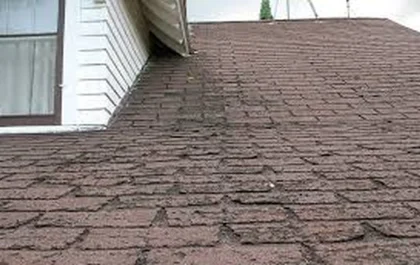
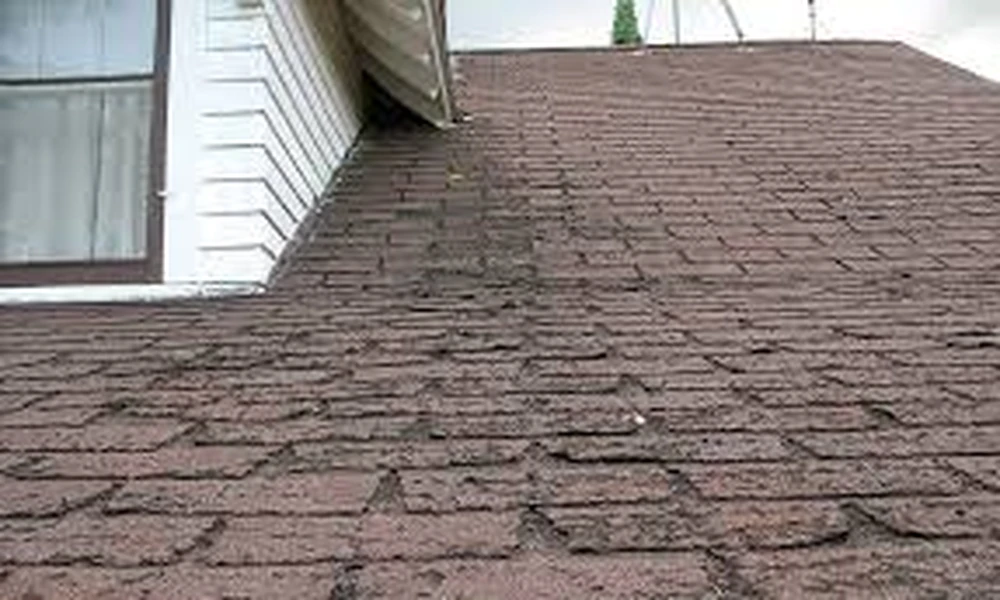
Before anyone talks about a full replacement, a good roofer climbs into the attic. Daylight showing through the boards, dark rings around nail tips, and damp or compressed insulation all point to water that has been getting in for a while. Outside, the usual signs are curling or cupped shingles, bald patches where the granules have washed into the gutters, and cracked seals around vent pipes.
Tile roofs, which are common across Brea’s hillside tracts, fail differently. The concrete or clay tiles themselves can last for generations. The underlayment beneath them is a different story, and it often gives out after 20 to 30 years of heat. Those homes often don’t need new tile at all. They need a lift and relay, where the crew removes the tiles, stacks them, replaces the underlayment and battens, and then sets the same tiles back with fresh fasteners. Broken pieces get swapped out for matching stock or salvaged tiles.
Paperwork Moves First
No reroof in the city should start without a permit from Brea’s Building and Safety Division. Its submittal guidelines ask for the full roofing material specifications, the square footage, the project valuation, and the occupancy use. Applications now go through the city’s online permit center. A legitimate contractor pulls the permit in its own name and builds the fee into the bid instead of asking the owner to handle it.
A few other rules come along with the permit. California’s energy code requires many reroofs to meet cool roof standards, so the product data sheet needs to show a reflectance rating. Hillside homes near Carbon Canyon and the Chino Hills edge sit in mapped fire hazard areas, where the state requires fire resistant roof assemblies, generally Class A rated. Many neighborhoods also have homeowners associations that must approve the color and profile before material is ordered, and that approval can take weeks.
Peeling Back the Old Layers
The biggest early decision is whether to tear the old roof off or lay new shingles over it. Building codes generally allow no more than two layers, and many older Brea roofs have already used up that allowance. The Asphalt Roofing Manufacturers Association lays out the trade-offs between replacing and recovering a roof. Its main point in favor of a tear-off is that only a bare deck can be properly inspected and repaired. Premium manufacturer warranties also tend to require a full tear-off, which settles the question for most owners who want long coverage.
Once the old material comes off, the age of the house tends to show. Many homes built in the 1960s and 1970s originally had wood shake roofs nailed to spaced boards with gaps between them. Shingles can’t go directly over gaps like that, so the crew covers the old boards with plywood or OSB sheathing to create a solid deck. Soft or delaminated sections near the eaves and valleys get cut out and replaced. These repairs are usually priced per sheet in the contract, and it’s worth reading that line closely before you sign.
What Happens Between Tear-Off and Ridge Cap
With the deck exposed, the city inspector typically visits once to check the sheathing and nailing before anything covers it. After approval, the installation follows a fairly fixed order:
- Metal drip edge goes along the eaves so water clears the fascia instead of soaking it.
- Underlayment rolls out across the whole deck, with self-adhering membrane added in valleys and around penetrations where water gathers.
- New flashing goes in at walls, chimneys and skylights. Old flashing is rarely worth reusing.
- Pipe boots and roof vents are replaced, and the crew checks the intake and exhaust vents for balance so the attic can breathe.
- Starter strips are set at the edges, and the field shingles are nailed following the manufacturer’s pattern.
- Hip and ridge caps finish the high points, usually over a continuous ridge vent.
Weather shapes the pace. Crews only strip what they can dry in by evening, because Southern California’s winter storms can arrive faster than forecasts suggest. In summer they tend to start at dawn, since shingles soften in the afternoon heat and scuff easily underfoot.
Small Things That Decide How Long It Lasts
The details that outlast a cheap bid are mostly invisible from the street. Attic ventilation matters more than most owners realize, because an attic that traps heat ages shingles from below. Skylights more than a decade old are usually smart to replace while the roof is open, since retrofitting flashing around them later means cutting into brand new material. Solar panels need to be removed and reinstalled, and that work should be scheduled with the solar installer well ahead so the house isn’t left without production for weeks. Gutters often get pulled during the work, so it’s a good moment to decide whether to keep them or upgrade.
The Final Visit and What to Keep
Once the ridge is capped and the yard is cleaned, the inspector returns for a final review. A thorough crew runs a magnetic sweeper across the lawn and driveway more than once, since stray nails turn up for weeks otherwise. When the inspector signs the job card, keep that record with your contract, the material receipts, and the manufacturer’s warranty registration. Insurers and future buyers ask for that paperwork, and having it ready can smooth a sale years later.
The new roof may only be visible from the curb for a few days before it blends into the neighborhood. The work that matters most happened before anything new went on, and the paper trail is the best proof of it.
From Old Shingles to Final Inspection on a Brea Home