
Key Takeaways
- Inspect and seal all potential pest entry points around your home.
- Maintain household cleanliness, especially in kitchens and basements.
- Consider natural repellents as a safer alternative to chemicals.
- Conduct regular inspections and address landscape maintenance needs.
- Call local professionals for help with stubborn infestations.
Living in Northern Virginia means enjoying beautiful seasons, leafy suburbs, and vibrant communities. However, the region’s mix of forests, lush landscaping, and fluctuating climate creates an environment where pests thrive year-round. Whether you live closer to Arlington, Fairfax, or deeper into Loudoun County, homeowners must be vigilant to keep unwanted critters out. Tackling pest problems early and taking proactive measures is key to maintaining both comfort and health. Partnering with expert providers such as Green Pest Services can help homeowners stay ahead of infestations before they occur. Northern Virginia’s neighborhoods, with their mature trees, garden beds, and streams, can attract pests ranging from ants and mosquitoes to rodents and the occasional wandering wildlife. The region’s humid summers and chilly winters push pests indoors, making effective prevention an ongoing effort for homeowners. By understanding which pests are most active in the area and how to address the specific challenges of Northern Virginia’s environment, residents can enjoy peace of mind and a pest-free home.
Seal Entry Points
Northern Virginia’s older homes and newly built properties are both susceptible to hidden entry points that pests can exploit. Start by closely examining door frames, window sills, basement vents, and areas where pipes and wires enter the house. These spots often host tiny cracks and holes that serve as highways for ants, centipedes, and mice. Use caulk or weatherstripping to seal narrow gaps, and add steel wool to larger holes before sealing. Pay attention to garages and crawl spaces, which are common avenues for rodents seeking shelter in colder months. Vigilance about sealing these points can make a crucial difference for suburban and rural properties, especially those adjacent to wooded areas.
Maintain Cleanliness
Pests are always on the lookout for food, water, and places to hide. Regular cleaning not only reduces these attractants but also makes it easier to identify early signs of activity. In Northern Virginia, kitchens are especially at risk of ants and cockroaches due to food crumbs, spilled sugar, and improperly stored dry goods. Store all food in sealed containers, use a lidded trash can, and immediately wipe up crumbs or standing moisture from countertops. In the humid spring and summer months, basements and laundry rooms can become breeding grounds for silverfish and spiders, so regular cleaning and dehumidifying are essential.
Use Natural Repellents
Given the region’s family-friendly communities and popularity of backyard gardening, many Northern Virginia residents are seeking alternatives to harsh chemical pesticides. Essential oils like peppermint, citronella, and clove oil have proven effective at deterring pests, including spiders, ants, and even mice. Simply diluting a few drops of essential oil in water and misting potential entry points can serve as a deterrent, especially during the warm, damp months when pest activity spikes. Use citrus peels or bay leaves in pantry corners to keep weevils and moths at bay. For outdoor patios and gardens, planting herbs such as lavender or mint can help repel mosquitoes and keep outdoor spaces comfortable. For more information about using eco-friendly repellents, see guidance from the Environmental Protection Agency.
Regular Inspections and Maintenance
Frequent inspections are necessary in Northern Virginia due to the changing seasons and persistent wildlife. Check your home’s exterior for signs of pests, such as droppings, chewed wood, or insect trails. Inspect attic and basement spaces for nesting material or unusual smells. Replace damaged window screens, cover vents with fine-mesh screening, and promptly repair leaky pipes. Outdoor maintenance is equally important; overgrown vegetation or wood piles near the home can directly attract pests like termites and mice. Ensuring that all home utility lines are sealed and that rooflines are checked for entry points can spare significant trouble, especially following heavy rain or snow, which may drive pests indoors.
Proper Waste Management
Northern Virginia’s mix of urban and rural settings makes proper trash disposal a necessity. Local raccoons, squirrels, and rodents are known to tip open bins in search of food scraps. Use garbage cans with secure, tight-fitting lids and store them away from doors. Clean the inside of bins regularly, especially during warm months when smells are more pronounced. Compost piles should be well-managed, turned frequently, and placed away from your home’s foundation to minimize pest attraction.
Landscaping Considerations
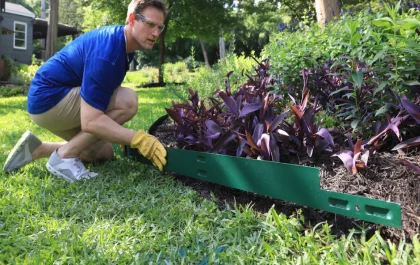
The lush landscapes common across Fairfax, Arlington, and the surrounding counties offer both beauty and potential pathways for pests. Maintaining your yard is a critical defense. Trim back shrubs and tree limbs so they do not touch your home, and keep grass cut low. Stack firewood at least 20 feet away from the house and elevate it on racks to discourage rodents and termites. Consider installing gravel or mulch barriers around the perimeter of your house to deter further crawling insects from entering your foundation. Be vigilant about pooling water in unused pots, gutters, or bird baths, as stagnant water serves as a mosquito nursery throughout the humid season.
Professional Assistance
Despite diligent efforts, some infestations may persist or even become overwhelming quickly. If you encounter severe or recurring pest issues, especially with stinging insects, termites, or rodents, it is wise to consult a licensed pest control expert familiar with Northern Virginia’s specific challenges. These professionals can identify the root cause of the problem, recommend targeted treatment, and guide on preventing future outbreaks without risking harm to pets or family members. Consistent, preventive action tailored to Northern Virginia’s environment is essential for keeping your home pest-free year-round. By knowing what to look for and whom to call, residents can protect their homes and enjoy all the comforts of the region’s thriving neighborhoods.
Conclusion
Maintaining a pest-free home in Northern Virginia requires a combination of prevention, awareness, and consistent care. The region’s changing seasons, diverse landscapes, and varying climate conditions create ongoing challenges that make proactive pest management essential. By sealing entry points, keeping living spaces clean, managing outdoor areas, and using safer pest control methods, homeowners can significantly reduce the risk of infestations. Regular inspections identify problems early, while professional assistance provides effective solutions for more persistent or complex issues. A thoughtful approach to pest prevention not only protects your property but also supports a healthier and more comfortable environment for your family. By staying informed about local pest behaviors and maintaining good home care practices, Northern Virginia residents can enjoy the beauty of their communities while keeping unwanted pests under control year-round.