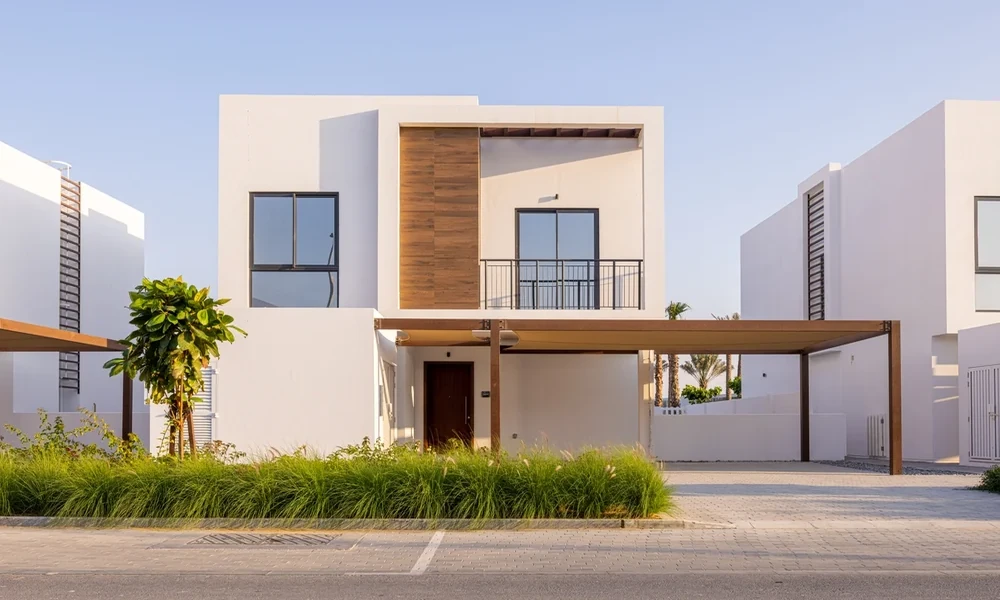

The key to achieving balance in the exterior design is planning. Simple exterior and simple interior details can make the room look elegant, modern and clean while adding cosiness and warmth. But when these styles are merged without thought, an exterior can seem either too overly cluttered. Homeowners can maximize the chances of having a more minimalist result by avoiding some common pitfalls.
Building on this foundation requires a careful eye for design flow, as even subtle shifts in layout or material choices can alter the entire aesthetic of your home. Incorporating the principles of Balance Warmth Minimalism Exterior Insights helps bridge the gap between stark modernism and inviting charm, ensuring your home’s facade remains visually grounded rather than chaotic. By taking a thoughtful approach early in the process, you can easily avoid the common mistakes that pull an exterior design out of harmony.
Using Too Many Materials
A common error is adding a variety of materials to achieve a warmer feel for the exterior. Wood, glass, brick, metal,stone and a variety of tactile finishes can easily create a cluttered look. A hand-picked selection of complementary materials is often more aesthetically pleasing.
Use only cold colours:
Minimalism is often the domain of the grey, the black and the white. Although these hues can bring a contemporary look, a vibrant exterior might seem unwelcoming if all the colours are cool. Comfort can be added through warm neutrals and natural shades, without detracting from clean design.
Adding Excessive Decoration
An exterior that is too cluttered with decorative elements can be a distraction from the simplicity of the design. Visual clutter can come from large ornaments, too many planters, too many architectural details or too many unnecessary accessories. Every element should have a clear purpose and complement the overall design.
Selecting a style is more important than the function.
The exterior should be both functional and aesthetically pleasing. Some house owners might only look for materials or features based on their looks, not maintenance, durability, weather resistance, and daily use. Visual and functional aspects must be in balance when making design decisions.
Overusing Natural Materials
Wood or stone can provide warmth, but excessive use of one or the other can make the exterior appear “heavy. These materials tend to work best when used as accents, not when they are applied to all surfaces.
Ignoring Lighting
Even a good design can look cold at night if not well lit. The use of only harsh or overly bright lighting can decrease the welcoming atmosphere. Soft, well-placed lighting creates a more comfortable setting and can provide a way to highlight important features.
How to make an Overly Perfect Landscape
While minimalism doesn’t imply that the outdoor area is devoid of greenery, too much landscaping can make the outside area appear cluttered. But if there are no plants, the area can feel extreme. Balance can be achieved with a few strategic trees, shrubs or planters.
In the end, it’s all about moderation when it comes to warmth and simplicity. Minimising materials, decoration, cold colours and unnecessary elements can help keep things clean. Proper selection of natural components, emphasis on function and efficient use of lighting and landscaping can produce an exterior that is modern and welcoming.